Jul 08,2026
What Is Vinyl Sheet Piling and Why Is It Used in Marine Environments?
Vinyl sheet piling is a manufactured interlocking panel system made from rigid polyvinyl chloride (PVC) compounds, engineered specifically to retain soil and resist water in demanding environments. Unlike traditional steel or timber alternatives, vinyl sheet piling does not rust, rot, or corrode — properties that make it exceptionally well-suited for marine and waterfront construction projects where long-term exposure to saltwater, tidal fluctuation, and biological fouling would rapidly degrade other materials.
Marine contractors, civil engineers, and waterfront property owners increasingly specify vinyl sheet piling for projects ranging from residential seawalls to commercial port infrastructure. The material's combination of durability, low maintenance, environmental resistance, and competitive installed cost has made it one of the fastest-growing segments in the marine construction materials market. Understanding both its appropriate applications and its correct installation methods is essential to achieving a structure that performs reliably over a service life that can exceed 50 years.
Key Marine Construction Applications for Vinyl Sheet Piling
Vinyl sheet piling is a versatile structural material that serves multiple functions in marine and waterfront environments. Each application places slightly different demands on the material in terms of loading, embedment depth, and profile selection.
Seawalls and Bulkheads
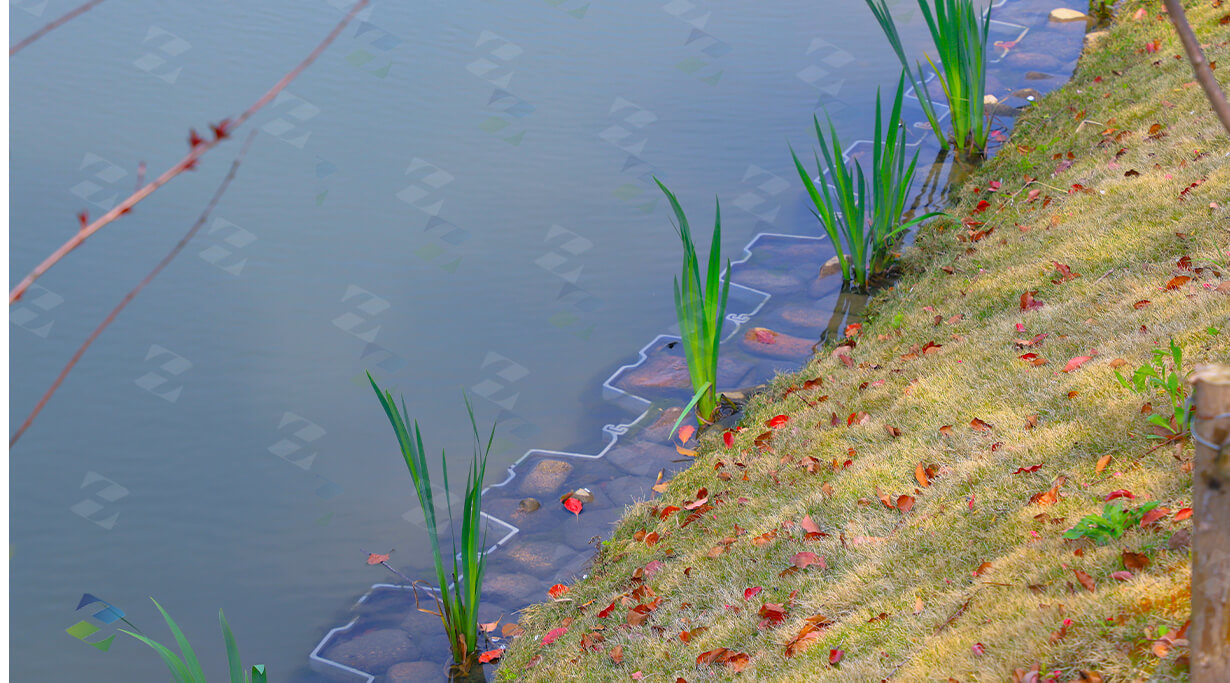
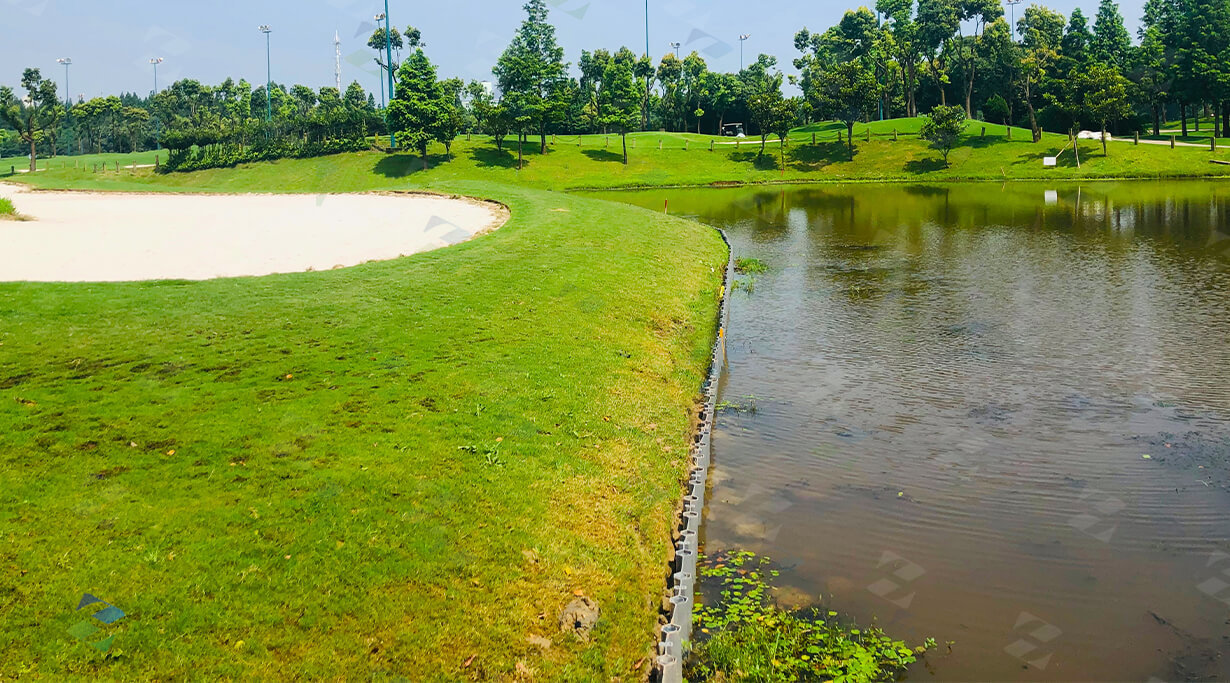
The most common marine application for vinyl sheet piling is the construction of seawalls and bulkheads along shorelines, tidal creeks, canals, and navigable waterways. These vertical retaining structures prevent bank erosion, hold back fill material, and define the boundary between land and water. Vinyl sheet piling performs particularly well in this role because it maintains its structural integrity without the annual painting, cathodic protection, or timber replacement cycles associated with steel and wood bulkheads. For residential waterfront properties, vinyl bulkheads are often the preferred choice due to their clean appearance and minimal long-term maintenance requirements.
Dock and Marina Structures
Vinyl sheet piling is widely used to form the perimeter walls of floating and fixed docks, boat slips, and marina berths. In these applications, the piling retains dredged areas to the required water depth while resisting the lateral loads imposed by vessel berthing, wave action, and current forces. Its smooth, non-porous surface also inhibits the attachment of barnacles and other marine organisms compared to rougher materials, reducing biofouling and simplifying periodic cleaning.
Breakwaters and Wave Attenuators
In sheltered harbor and marina environments, vinyl sheet piling is used to construct low-height breakwaters and wave attenuation barriers that reduce wave energy within a protected basin. These structures are typically constructed as cellular or double-wall configurations filled with aggregate or concrete, providing mass and stability without the long-term corrosion concerns associated with steel cellular cofferdams.
Erosion Control and Shoreline Stabilization
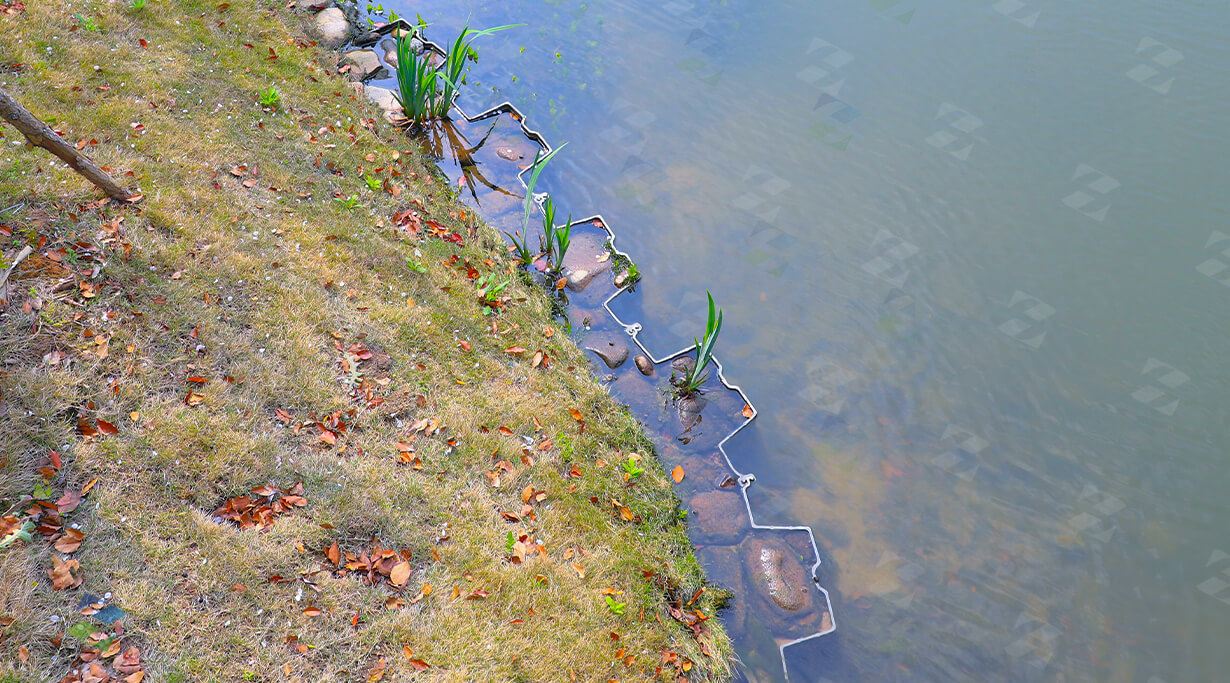
Along riverbanks, lake shores, and coastal embankments subject to scour and wave wash, vinyl sheet piling can be installed at low embedment depths purely to armor the toe of a slope or prevent undercutting of existing structures. In these applications, the piling acts as a revetment rather than a full cantilever retaining wall, and section selection can be lighter than for bulkhead applications.
Cofferdams and Temporary Works
Vinyl sheet piling is also used in temporary cofferdam construction for dewatering work areas during bridge pier construction, culvert installation, and pipeline crossings of waterways. Its interlock system allows rapid assembly and disassembly, and the panels can often be reused multiple times, reducing the overall cost of temporary works on marine construction projects.
Vinyl Sheet Piling Profiles and Section Selection
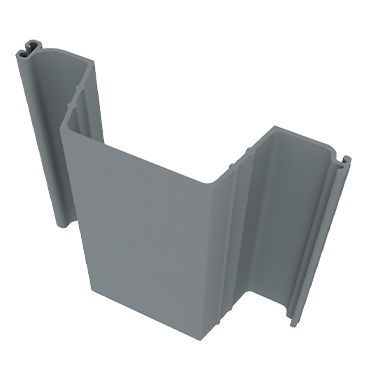
Choosing the correct vinyl sheet piling profile is one of the most important design decisions in any marine construction project. Profile geometry directly determines the section modulus — a measure of bending resistance — and therefore the wall's ability to withstand lateral earth and water pressures at a given embedment depth.
The most common profile types available from manufacturers include:
- Flat Web Profiles: Low section modulus, suited for light-duty applications such as garden ponds, low retaining walls, and temporary erosion barriers where lateral loading is minimal.
- Z-Profiles (Z-Piles): Medium to high section modulus achieved through a Z-shaped cross-section. These are the most widely used profile for seawalls, bulkheads, and dock walls in moderate loading conditions.
- Arch or U-Profiles: High section modulus in a compact width, suitable for heavy-duty retaining applications, deep embedment requirements, and high surcharge loading situations.
- Combo Walls: Vinyl sheet piling installed in combination with steel H-piles or concrete king piles to achieve structural capacities beyond what vinyl alone can provide, used in commercial port and heavy marine applications.
Section selection should always be based on a proper geotechnical and structural engineering analysis that accounts for soil type, water table elevation, tidal range, wave and vessel loading, and the required free height of the wall above the mudline. Manufacturer load tables and design software tools can assist in preliminary selection, but a licensed engineer should review final designs for all permanent marine structures.
Installation Methods for Vinyl Sheet Piling in Marine Settings
Successful installation of vinyl sheet piling in marine environments requires selecting the right driving or pressing method for site conditions and ensuring that the interlocks remain properly engaged throughout the process. Vinyl piling is more flexible than steel, and improper driving can cause profile distortion, interlock disengagement, or toe kick — all of which compromise wall integrity.
Vibratory Hammer Installation
The vibratory hammer is the most commonly used installation method for vinyl sheet piling in marine environments. A crane-suspended vibratory driver clamps onto the top of the sheet pile and uses eccentric counterweights rotating at high frequency to transmit vibrations into the soil, temporarily reducing soil resistance and allowing the pile to advance under its own weight plus downward crowd force. This method works well in sandy soils, loose gravels, and soft to medium clays — the predominant soil types found in most waterfront and coastal settings.
Key operational considerations when using a vibratory hammer on vinyl piling include:
- Use of a steel follower plate or drive cap to distribute the clamping force evenly across the pile top and prevent local crushing of the PVC profile.
- Driving panels in pairs or sets of three while maintaining a guide frame to prevent the wall from drifting out of alignment.
- Monitoring interlock engagement with each successive panel to detect and correct any misalignment before it cascades along the wall.
- Limiting crowd force to manufacturer-specified limits to avoid profile distortion, particularly in harder soils.
Hydraulic Press-In Method
The hydraulic press-in (or "silent piling") method uses a static hydraulic jack system that clamps onto previously installed piles and uses their resistance to push new piles into the ground without vibration or impact. This method is preferred in urban waterfront environments where vibration limits are imposed to protect adjacent structures, utilities, or sensitive marine habitats. Press-in installation also produces very precise pile alignment and is gentler on the vinyl profile, reducing the risk of damage in difficult soils with embedded obstructions.
Water Jetting to Aid Installation
In dense sands or compacted granular fills, water jetting is often used alongside vibratory or press-in methods to fluidize the soil ahead of the pile toe and reduce driving resistance. A high-pressure water jet is directed through a pipe attached to the face of the pile, loosening the soil as the pile advances. Jetting must be used carefully in marine environments to avoid excessive seabed disturbance, silt plume generation, or undermining of neighboring structures. Environmental permits may restrict jetting in ecologically sensitive areas.
Anchor and Waler Systems
For walls taller than approximately 1.5–2 meters of retained height, vinyl sheet piling typically requires a tie-back anchor system to limit wall deflection and reduce bending stresses in the piling. A horizontal steel waler (channel or I-beam) is bolted to the face of the piling at a calculated height, and tie rods connect this waler back to deadman anchors, helical anchors, or a second anchor pile row embedded in the retained soil. The anchor system transfers a significant portion of the lateral load to the soil behind the active zone, allowing lighter piling sections to be used while maintaining acceptable deflection limits.
Comparing Vinyl Sheet Piling to Alternative Marine Materials
Understanding how vinyl compares to traditional marine construction materials helps project teams make well-informed material selection decisions based on site conditions, budget, lifespan requirements, and maintenance capacity.
| Material | Service Life | Corrosion/Rot Resistance | Maintenance | Relative Cost |
| Vinyl (PVC) | 50+ years | Excellent | Very Low | Medium |
| Steel | 25–40 years | Poor (requires coating) | High | Medium–High |
| Treated Timber | 10–20 years | Moderate | Medium | Low–Medium |
| Fiberglass (FRP) | 50+ years | Excellent | Very Low | High |
Best Practices for Long-Term Performance of Vinyl Sheet Piling
Even though vinyl sheet piling requires far less maintenance than steel or timber, a few practical measures significantly extend service life and maintain structural performance over time. Inspect the wall annually for signs of interlock separation, soil loss behind the wall, or surface cracking from UV degradation or impact damage. While high-quality marine-grade vinyl formulations include UV stabilizers, any prolonged chalk or surface cracking should be addressed with UV-resistant sealant to prevent progressive surface degradation.
Ensure that drainage relief is incorporated into the design to prevent hydrostatic pressure buildup behind the wall. Weep holes or geocomposite drainage layers placed behind the piling at regular intervals allow groundwater to equalize across the wall face, dramatically reducing the net lateral load the piling must resist. This single design provision is one of the most effective ways to extend the structural life of any sheet pile wall in a marine or waterfront setting.
Finally, protect the wall from direct vessel impact by installing rubber fendering or dock bumpers at appropriate locations. While vinyl piling is resilient and somewhat flexible, repeated concentrated impact loads can crack panels or disengage interlocks over time — particularly in boat slip and dock wall applications where mooring activity is frequent.